HANDS ON SharePoint
 HANDS ON Teams
 HANDS ON Lists
 HANDS ON tek
 M365 Admin
What’s new for Microsoft Teams – April 2026
April didn’t bring a big headline feature in Teams, but it continued to improve the product where it matters: small, focused changes that remove friction. The kind of gains you don’t notice instantly, but make the tool easier to live in after a few days.
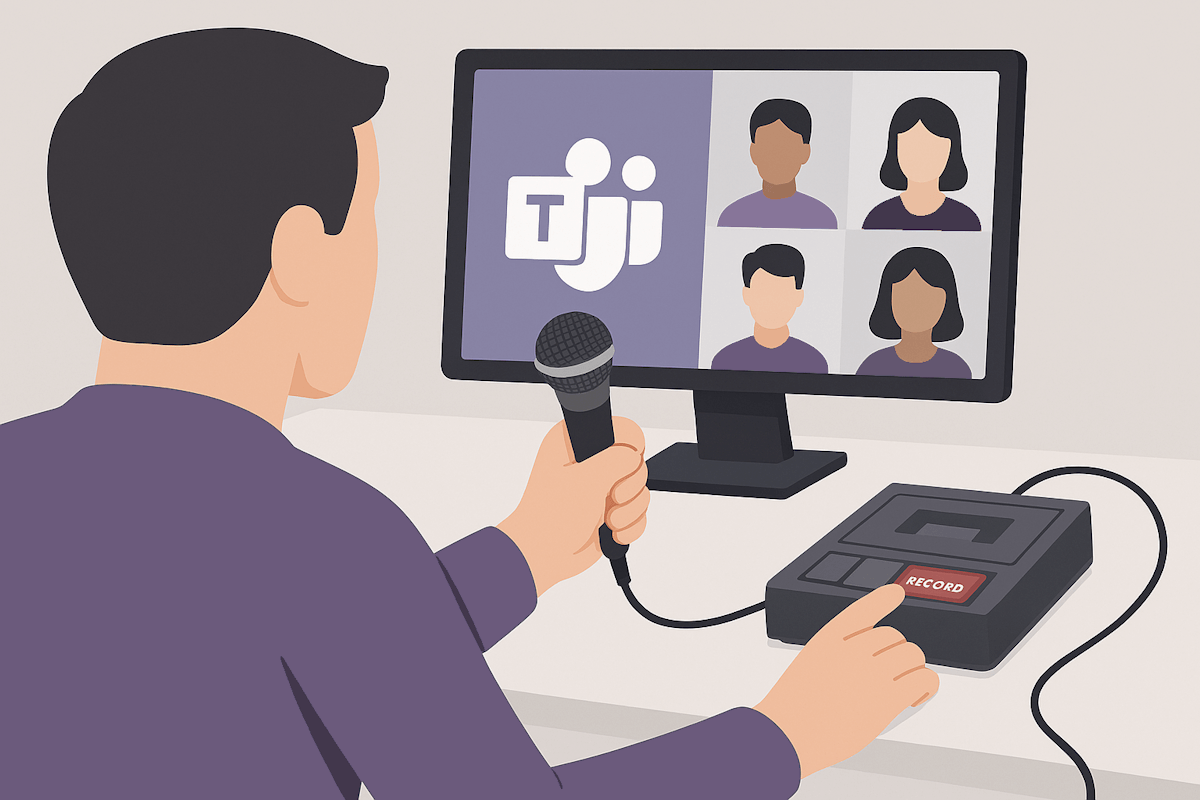
Badge counts are now clearer about what actually needs attention, focusing on unread chats, mentions, followed threads and tags, with cleaner visual signals. At the same time, you can test your microphone and speaker directly before joining a meeting, which avoids the usual “can you hear me?” moment at the start.
Search also gets tighter with smarter suggestions as you type, helping you land on the right chat, channel or person faster without reworking the query. None of these are major on their ow